

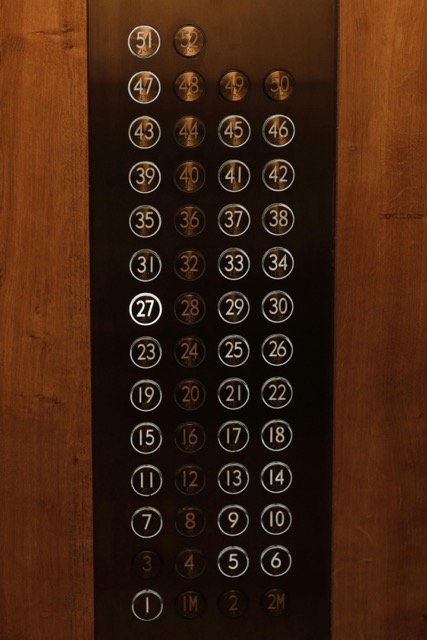
I was rushing toward my Chembur center, heart racing against the clock. My driver dropped me off right outside, and with only fifteen minutes left before my appointment, I was praying the lift would be waiting. To my relief, it was. The lift operator—a kind, elderly man who is specially-abled—was holding it specifically for me.
But as we reached the fourth floor, he didn’t immediately open the doors to let me out. He stopped, his eyes brimming with tears. “Madam,” he whispered, “I need to share something with you. I lost my mother five days ago.”
My breath caught as he told me the tragic details—a family dispute, a moment of violence from his brother, and his mother falling unconscious, never to wake again.
As I watched the tears stream down his face, I realized that while we often label individuals as “specially-abled,” we forget that they often possess a “special” capacity for deep, raw emotion that we, in our busy lives, sometimes suppress.
Standing there, I offered a silent prayer for his peace and encouraged him to stay strong. His grief triggered a memory of my own mother’s passing ten years ago. Her final words to me were, “Don’t stop working. Keep moving forward even after I am gone.” I had returned to work just five days after losing her, following her wish.
Watching him, I saw that same resilience. He simply needed someone to witness his pain. He told me he felt better just having shared it, leaving me with a profound reminder: we are all carrying invisible burdens, and sometimes, the greatest gift we can give someone is simply to stand still and listen.



 by
by